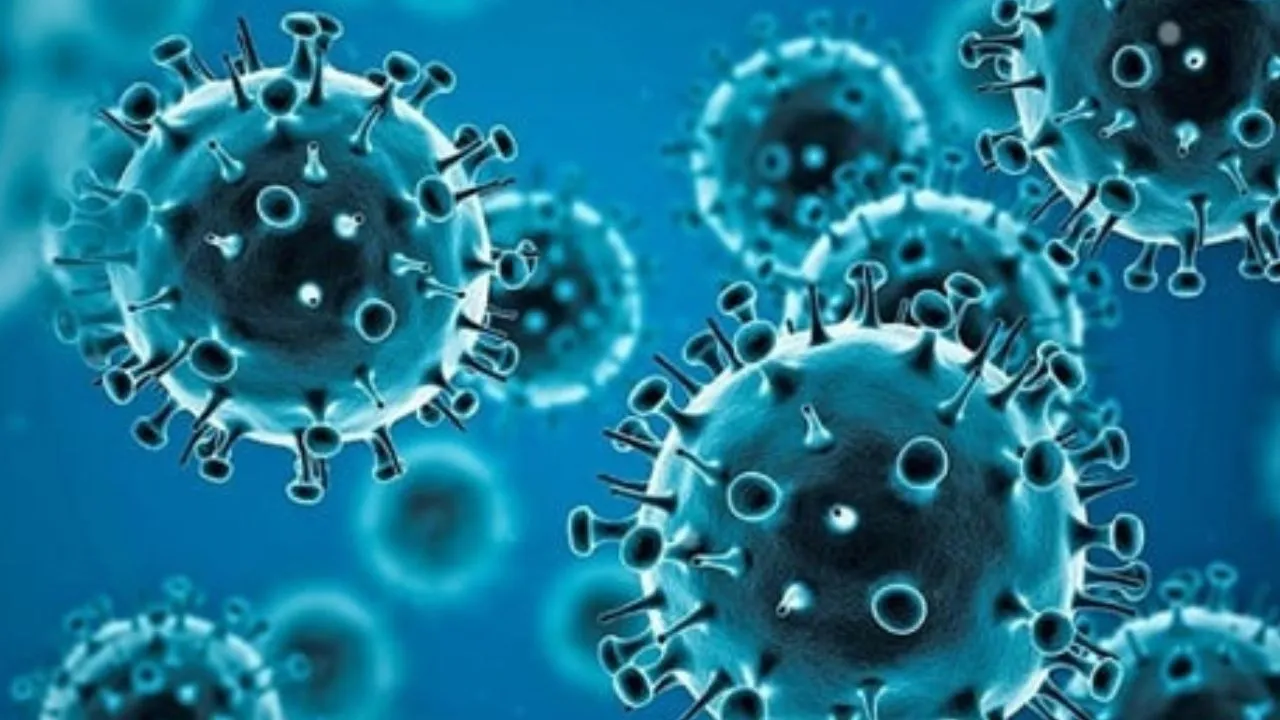
The world is currently grappling with a pandemic of the novel coronavirus, known as COVID-19. The virus has spread rapidly across the globe, affecting millions of people and causing significant social and economic disruption.
Worldcoronaviras infections are primarily spread through respiratory droplets when an infected person coughs, sneezes, or talks. They can also be transmitted through contact with objects or surfaces contaminated with the virus.
Origins
The worldcoronaviras are a group of viruses that can cause severe pneumonia and death in people. They are dangerous because they can be transmitted easily through respiratory droplets and blood drops.
Several countries are already in the midst of a pandemic, and many people are affected by it on a daily basis. One of the main impacts is travel, and many people have been forced to cancel trips to avoid getting sick.
A French scientist has found a new piece of evidence that could help explain the origins of the virus. In a paper published in the journal Nature, Florence Debarre, a researcher at the CNRS, unearthed genetic data that Chinese scientists had posted to the GISAID database in early 2020.
In that database, Chinese researchers had logged the DNA sequences of hundreds of samples from animal cages, carts and other surfaces at the Huanan Seafood Market in Wuhan. It was the first time genetic information had been collected from a location where cases of coronavirus infection occurred, and it was a major breakthrough for scientists trying to figure out what triggered the outbreak.
However, these data are not proof that the virus originated in the market, and more research is needed. They do, however, add to the growing body of evidence that suggests the outbreak was caused by an animal-to-human transmission.
The most likely source of the virus, experts say, was a raccoon dog infected with it at the market. The dog swam in the river near the market, and its water and feces were contaminated with the virus.
Another possibility is that the virus escaped from a laboratory in China. That theory has gained support from the government, and US intelligence agencies have been investigating the possibility.
A top bat coronavirus expert at the Wuhan Institute of Virology, Shi Zhengli, has rejected that theory as a possibility. She says the virus did not leak from her lab, despite US intelligence reports that suggest it might have done so.
Other theories have also been put forth, such as that the coronavirus was smuggled into China through food shipments of frozen meat from other parts of Asia. This would be a much more likely source of the virus than the WIV laboratory, but it does not prove that the market was the origin.
Transmission
The virus has spread worldwide, and it is now causing more deaths than SARS did in 2002-2003. It can cause severe illness that requires hospitalization in adults of all ages, according to a report from the US Centers for Disease Control and Prevention (CDC).
In China, where the outbreak originated, health officials have taken many measures to rein in the epidemic, including fast tracking tens of thousands of contacts of people with the disease in Hubei province and imposing strict travel restrictions. The WHO credits these measures with curtailing the disease’s spread to more than 1.4 billion Chinese citizens.
Scientists are racing to understand the virus, work out why it is so infectious and find ways to prevent it from spreading further. They’re also trying to find out where it came from and help doctors diagnose infections.
One of the most important questions is how the virus got into humans in the first place, as it seems to have been transmitted in two different ways – from animals and from people to other people. In the first case, experts suspect that the coronavirus originated in bats or pangolins. In the second, they believe it may have come from a research lab in Wuhan, China.
Since the outbreak started in late January, scientists have been working around the clock to characterize the virus, study it, and develop tests and vaccines. They’ve also been scrambling to get their hands on transgenic mice, which are able to be infected by the virus without becoming sick.
It’s now estimated that the coronavirus has infected more than 82,000 people across the globe, with a high rate of mortality in adults over 65. The WHO says the death toll could rise even higher if not enough countries take action to control the outbreak.
The world is facing a public health crisis that will affect every sector, and every person must play an important role in the fight against the coronavirus. The WHO’s director-general, Tedros Adhanom Ghebreyesus, has called on every nation to take steps to protect its people and stop the virus from reshaping global healthcare systems.
Symptoms
Coronaviruses are a family of viruses that cause illness in humans and animals, including severe acute respiratory syndrome (SARS), Middle East respiratory syndrome (MERS) and the common cold. They are named for crown-like spikes on their surfaces.
Worldcoronaviras spreads primarily through person-to-person contact with respiratory droplets that become airborne when an infected person coughs, sneezes or speaks near you. You may also get the virus if you touch an infected object and then touch your mouth, nose or eyes.
Once in your body, the virus enters your respiratory tract through your nose or throat. It then travels to the back of your nasal passages and mucous membrane in the back of your throat, where it attaches to cells and begins to multiply. It can then move to other body tissues, such as your lung tissue.
Most people who get COVID-19 will have mild symptoms, such as fever and runny nose. However, some people will have a more serious illness, such as pneumonia and sepsis, which can be life-threatening.
These symptoms can affect the brain and heart, making it harder for patients to breathe. It can also lead to complications, such as encephalitis, which can cause permanent damage to the brain.
The CDC recommends staying 6 feet away from people when possible, wearing a mask and washing your hands with soap and water or hand sanitizer that contains at least 60% alcohol. This helps prevent the spread of coronavirus.
In some cases, the virus is passed from an infected mother to her child during pregnancy or childbirth. This is rare, but it does happen.
Another way you can catch the virus is through contact with contaminated objects such as doorknobs or counters. You might get the virus from a doorknob that was touched by an infected person and then touched your mouth or nose. This is also more rare.
The coronavirus can live in many types of animal species, including bats, cats and camels. When an animal is infected, the virus can then jump from the animal to other animals, such as humans. This can lead to a global outbreak.
Impact
Coronaviruses are a type of virus that causes respiratory infections. They have been found in animals, plants, and humans. They cause a variety of symptoms, including coughing, fever, and body aches.
A new coronavirus, COVID-19, has swept across the world. The disease has caused a global economic crisis and is threatening the livelihood of millions of people. It has also pushed many into extreme poverty, as the World Bank estimates it has displaced 119 to 124 million people from the lowest levels of income.
The World Health Organization (WHO) has declared the COVID-19 outbreak a pandemic. It is a global emergency and affected countries have locked down their cities, industries and restricted the movement of their citizens to minimize the spread of the disease.
It has had a devastating impact on the economy of most countries, especially the economies that have relied on the services sector and rely on foreign exchange to prop up their markets. The economic fallout is widespread, affecting workers in every corner of the globe.
Although the economic impacts of the coronavirus have been catastrophic, the pandemic has also brought about some positive changes worldwide. For example, a reduction in air pollution has reduced carbon dioxide emissions, leading to an important change in global climate.
In addition, the lockdown has had a positive effect on environmental quality. This was confirmed by recent research.
There is evidence that the lockdown has lowered air pollution levels worldwide. The decrease in pollution is due to a drop in the air traffic, which has reduced the emission of carbon dioxide by 60 percent.
However, it is possible that the decline in CO2 could lead to a resurgence of other pollutants, such as nitrogen oxides and ozone. This could be a complex issue that requires further study.
The worldcoronaviras pandemic has also been an important opportunity to examine the relationship between humankind and nature. It has helped illuminate flaws in how humans interact with and value the natural world, and it may help to give some people a reason to value nature again.
As the world continues to face this crisis, it is crucial that institutions such as ours pause and reflect on what has happened recently – both the deep recession of 2020 and the fragile and uneven rebound that the world experienced last year. Understanding the underlying causes and their effects is essential for avoiding similar crises in the future.