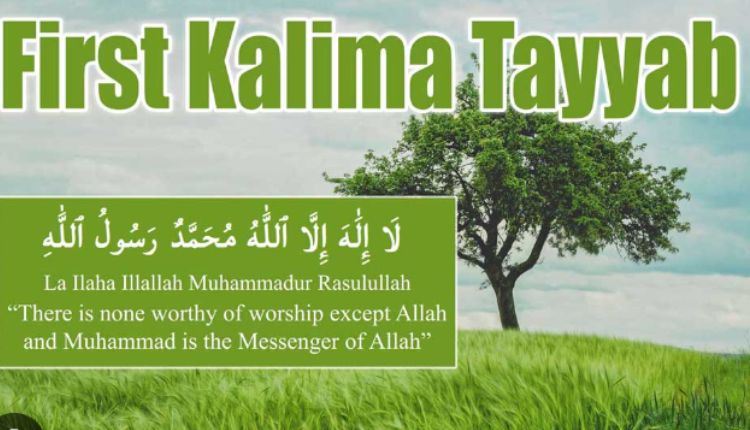
Introduction:
Islam is a religion that places great importance on the declaration of faith and the recitation of specific verses and statements. One such declaration is the Second Kalima, which holds immense significance for Muslims worldwide. This article aims to delve into the meaning, significance, and relevance of the Second Kalima, exploring its spiritual depth and providing a comprehensive understanding of its message.
Meaning And Significance:
The 2nd kalima in Islam in Arabic, known as “Kalima-e-Shahadat” in Arabic, is a concise statement of faith, bearing witness to the oneness of Allah and the finality of Prophet Muhammad’s (peace be upon him) prophethood. It is as follows:
أشْهَدُ أن لا إلَهَ إلَّا الله وَأشْهَدُ أنَّ مُحَمَّدًا عَبْدُهُ وَرَسُولُهُ
“I bear witness that there is no deity worthy of worship except Allah, and I bear witness that Muhammad is His servant and messenger.”
This declaration holds immense significance in Islam. By reciting this statement, a Muslim affirms their belief in the absolute oneness of Allah and acknowledges Prophet Muhammad as the last and final messenger of Allah. It encapsulates the core principles of the Islamic faith, emphasizing monotheism and the prophethood of Muhammad.
Relevance In Daily Life:
The recitation of the Second Kalima holds a special place in the lives of Muslims. It serves as a constant reminder of their faith, helping them strengthen their connection with Allah and the Prophet Muhammad. Muslims recite the Second Kalima during their daily prayers, including the obligatory five daily prayers (Salah), as well as voluntary prayers throughout the day. This practice serves as a means of reaffirming one’s faith, seeking Allah’s guidance, and acknowledging the role of Prophet Muhammad as the ultimate guide and example for humanity.
Furthermore, the 2nd kalima in Islam in Arabic is also recited during significant Islamic rituals and events. It is recited at the time of conversion to Islam, symbolizing a person’s acceptance of the Islamic faith and their commitment to follow the teachings of Allah and His Prophet. It is also recited during marriage ceremonies, signifying the importance of faith and the prophetic tradition in the establishment of a blessed union.
Conclusion:
The Second Kalima holds immense significance in the Islamic faith, serving as a powerful declaration of faith, monotheism, and the finality of prophethood. It acts as a reminder of the fundamental principles of Islam, reinforcing the believer’s commitment to Allah and their acceptance of Prophet Muhammad as the last messenger. By reciting this kalima, Muslims express their unwavering faith and dedication to living a life guided by the teachings of Islam.
FAQs:
Q1: Can Non-Muslims Recite The Second Kalima?
A1: While the Second Kalima is specifically associated with the Islamic faith, there are no restrictions on non-Muslims reciting it. However, it is important to understand and respect the meaning and significance of the declaration. Muslims consider it an integral part of their faith, so non-Muslims should approach it with due reverence and understanding.