Introduction:
Urdu poetry, known for its eloquence and depth, has captivated hearts for centuries. Its rich literary heritage reflects the nuances of human emotions, blending words with melody to create a tapestry of sentiments. In this article, we embark on a journey to explore the profound impact of Urdu poetry, delving into its historical significance, expressive power, and enduring legacy.
Body:
I. Historical Significance Of Urdu Poetry
Urdu poetry traces its roots back to the 13th century, when Persian influence began to permeate the Indian subcontinent. The amalgamation of Persian, Arabic, and local dialects gave birth to Urdu, a language that became the medium of expression for poets and scholars. Notable luminaries such as Mirza Ghalib, Allama Iqbal, and Faiz Ahmed Faiz emerged during the Mughal era and laid the foundation for the development of Urdu poetry. Their verses explored themes of love, spirituality, and social commentary, leaving an indelible mark on the genre.
II. Expressive Power Of Urdu Poetry
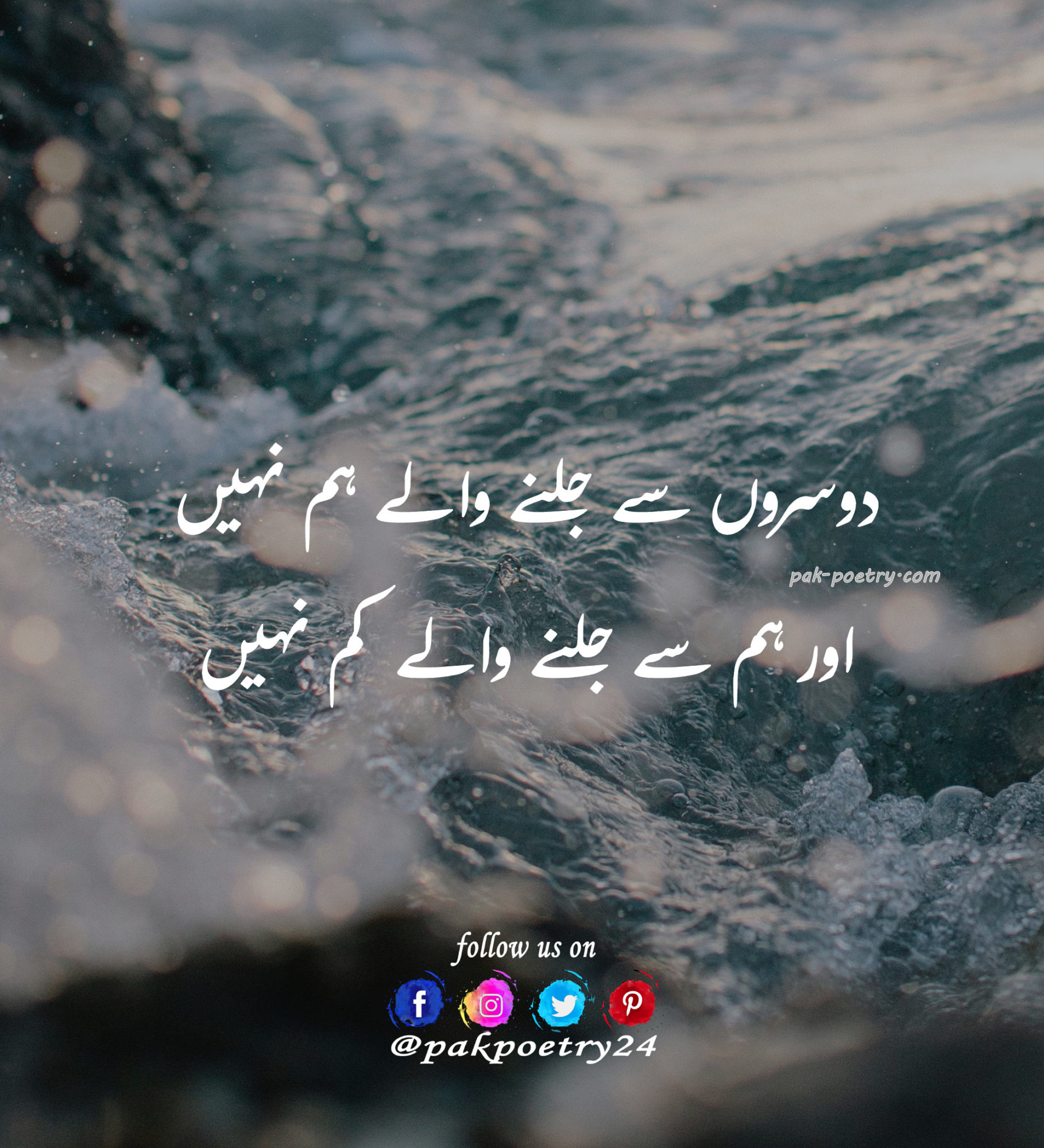
2 lines urdu poetry in its ability to encapsulate complex emotions within a few carefully chosen words. Each line serves as a window into the poet’s soul, allowing readers to experience a myriad of feelings. Whether it’s the enchanting melodies of ghazals or the rhythmic symphony of nazms, Urdu poetry possesses a unique cadence that resonates with the human heart. The metaphors, imagery, and symbolism employed in the verses create a world of their own, transporting readers to realms of love, longing, and introspection.
III. Enduring Legacy Of Urdu Poetry
Despite the passage of time, Urdu poetry continues to thrive and evolve, adapting to contemporary sensibilities while staying true to its essence. From the traditional classical forms to modern experimental styles, Urdu poetry has undergone a remarkable transformation, embracing new themes and narratives. The advent of social media platforms has also provided a digital canvas for budding poets to share their work and connect with a global audience, further revitalizing the art form.
IV. Conclusion
Urdu poetry, with its ethereal beauty and profound impact, transcends linguistic and cultural barriers, touching the souls of people around the world. It serves as a testament to the power of words and the human capacity for emotional expression. Whether one is seeking solace in difficult times, celebrating love, or contemplating the mysteries of life, Urdu poetry offers solace, inspiration, and a profound connection to our shared humanity.
FAQs:
- What are some famous Urdu poets? Answer: Urdu poetry boasts a rich lineage of renowned poets. Some of the most celebrated figures include Mirza Ghalib, Allama Iqbal, Faiz Ahmed Faiz, Mir Taqi Mir, and Ahmad Faraz, among others.
- Is Urdu poetry only about love and romance? Answer: While love and romance are prominent themes in Urdu poetry, the genre encompasses a wide spectrum of emotions and subjects. Urdu poets have explored spirituality, social issues, nature, politics, and philosophical musings, offering a diverse range of poetic expressions.
In conclusion, Urdu poetry stands as a testament to the enduring power of human emotions and the art of language. Its rich history, expressive depth, and evolving legacy continue to enchant poetry enthusiasts across the globe. Urdu poetry serves as a bridge between cultures, inviting readers to immerse themselves in its intricate tapestry of emotions and find solace, inspiration, and connection within its verses.