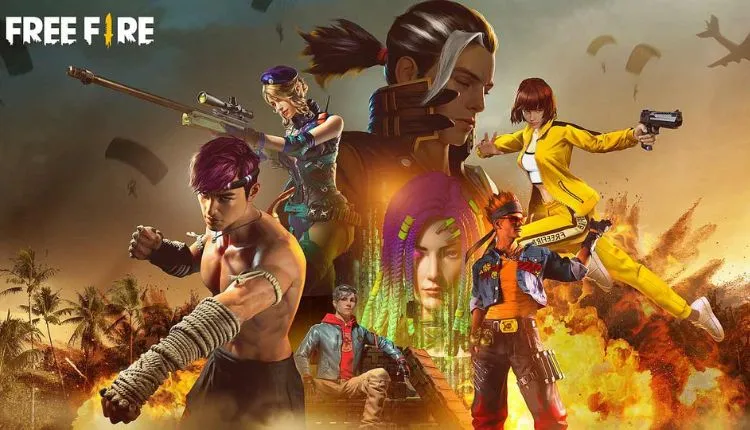
The battle royale genre has taken the gaming world by storm in recent years, with games like PlayerUnknown’s Battlegrounds (PUBG) and Garena Free Fire gaining massive popularity among players around the globe. However, along with the success of these games comes the challenge of protecting their intellectual property. Recently, PUBG developer Krafton has filed a lawsuit against Garena Free Fire, alleging that the game has copied many of the game mechanics and features of PUBG, and infringing on Krafton’s intellectual property rights. This lawsuit has sparked controversy and raised important questions about intellectual property protection in the gaming industry.
In this article, we will explore the details of the lawsuit between Krafton and Garena Free Fire, delve into the concept of intellectual property in the gaming industry, discuss the challenges and complexities of protecting intellectual property, and examine the potential implications of this lawsuit on the battle royale genre and the gaming industry as a whole.
The Lawsuit: Krafton vs. Garena Free Fire
In September 2021, Krafton, the South Korean video game developer behind PUBG, filed a lawsuit against Garena Free Fire, a popular battle royale game developed by Garena, a Singapore-based company. The lawsuit was filed in the Central District Court of California in the United States, and it alleges that Garena Free Fire has copied various elements of PUBG, including the game’s user interface, gameplay, and overall visual style.
According to Krafton’s lawsuit, Garena Free Fire has copied the distinctive elements of PUBG, such as the map design, weapons, vehicles, and other game mechanics. The lawsuit claims that these similarities go beyond what would be expected in the battle royale genre, and that Garena Free Fire has intentionally copied PUBG’s intellectual property, resulting in copyright infringement and unfair competition.
Krafton is seeking various forms of relief in the lawsuit, including damages for copyright infringement, an injunction to stop Garena Free Fire from using PUBG’s intellectual property, and a recall of all copies of Garena Free Fire that allegedly infringe on PUBG’s intellectual property.
Intellectual Property in the Gaming Industry
Intellectual property refers to creations of the mind, such as inventions, literary and artistic works, symbols, and designs, that are protected under various laws, such as patents, trademarks, and copyrights. In the gaming industry, intellectual property can include game mechanics, graphics, characters, storylines, and other elements that make up a game.
Intellectual property protection is crucial in the gaming industry, as it allows developers to protect their creations and prevent others from copying or using their work without proper authorization. It provides incentives for developers to invest time, money, and effort into creating new games or improving existing ones, knowing that their intellectual property is protected and they can reap the benefits of their creativity and innovation.
However, protecting intellectual property in the gaming industry can be complex and challenging. Game mechanics and features, such as game rules, gameplay mechanics, and even graphical elements, may not always be easy to categorize and protect under existing intellectual property laws. Moreover, the global nature of the gaming industry and the availability of games in different countries and regions can further complicate the issue, as intellectual property laws vary from jurisdiction to jurisdiction.
Challenges in Protecting Intellectual Property
The lawsuit between Krafton and Garena Free Fire highlights some of the challenges and complexities of protecting intellectual property in the gaming industry. Here are some of the key challenges:
- Game Mechanics and Features: Game mechanics, such as gameplay mechanics, rules, and other elements that make up the gameplay experience, may not always be easily protected under traditional intellectual property laws. These elements
Conclusion:
The lawsuit between PUBG developer Krafton and Garena Free Fire raises important questions about intellectual property protection in the gaming industry. While intellectual property is crucial for protecting the creations of game developers and providing incentives for innovation, it can be complex and challenging to enforce in the gaming industry, particularly when it comes to game mechanics and features.
The outcome of this lawsuit will likely have implications on the battle royale genre and the gaming industry as a whole, as it may set a precedent for how intellectual property disputes are handled in the future. It serves as a reminder for game developers to be diligent in protecting their intellectual property and for players to be aware of the legal implications of copying or using elements from other games without proper authorization.
FAQs:
What is the lawsuit about?
The lawsuit is between Krafton, the developer of PUBG, and Garena, the developer of Free Fire. Krafton alleges that Free Fire has copied various elements of PUBG, including game mechanics, user interface, and visual style, resulting in copyright infringement and unfair competition.
What are the challenges in protecting intellectual property in the gaming industry?
Some challenges in protecting intellectual property in the gaming industry include the difficulty in categorizing and protecting game mechanics and features under existing intellectual property laws, the global nature of the gaming industry with varying laws in different jurisdictions, and the need to balance protection with innovation and creativity.
What are the potential implications of this lawsuit on the gaming industry?
The outcome of this lawsuit may set a precedent for how intellectual property disputes are handled in the gaming industry, potentially affecting how game developers protect their creations and how players use elements from other games. It may also impact the battle royale genre and raise awareness about the importance of respecting intellectual property in the gaming community